Introduction
This article is presented as a unique insight from BEEATS, based on a report contributed to the fashion business media "Oui Speak Fashion® Japan" and incorporating perspectives from our overseas observation team, including President and CEO Mitsuhiro Kashiwagi and Executive Officer Kanta Nishimura.
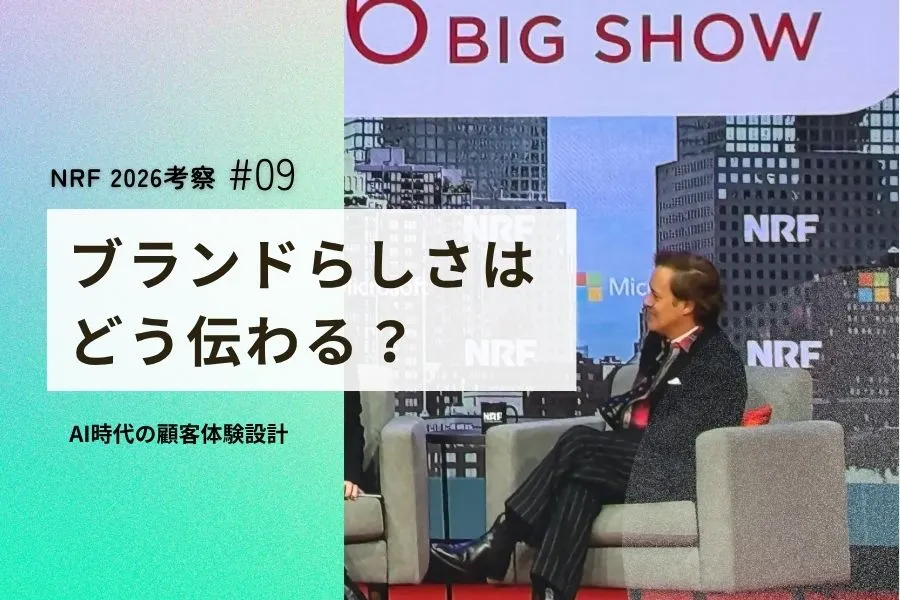
In this article, based on the conversation between Ralph Lauren and Microsoft, we will consider how "brand identity" should be integrated into customer experiences in the AI era.
Understanding Brand DNA Before Adopting AI
When considering Ralph Lauren's use of AI, the first important point is that the company does not view technology merely as a new feature.
Rooted in Ralph Lauren's brand philosophy is a commitment to timeless design, honest relationships with customers, and high-quality products. While AI is a convenient technology, brand identity cannot be conveyed if what you are teaching it, the language you use to propose, and the experience you deliver remains ambiguous.
At the dawn of the internet, the company aimed to replicate the rich narrative and personal customer service experience of flagship stores online, rather than just being an e-commerce site that lists products. In an age where AI enters customer touchpoints, it is necessary to be clear about what the brand values and what kind of worldview it wants to deliver.
Learning from "Ask Ralph": Context-aware personalized suggestions
Ralph Lauren's AI shopping assistant, "Ask Ralph," utilizes technologies like Microsoft Azure AI to suggest styling through dialogue with customers.
Rather than simply presenting product inventory and prices, it is positioned as an entity that provides inspiration based on the customer's context, such as "what should I wear to a specific event?" or "what is a combination that looks like me?" Adopting AI is not just an IT department issue, but a business transformation involving the entire organization, including marketing and customer service.
What information to deliver, at what timing to create a touchpoint, and how to link it with staff service and space presentation. Only with such an overall design can technology become a force that supports the brand experience.
BEEATS VIEW: Designing Brand Experience in Physical Stores in the AI Era
Ralph Lauren's case study shows that even in the customer experience of the AI era, the brand's philosophy and worldview should remain at the center.
AI and digital technology have the power to streamline, personalize, and scale experiences. On the other hand, even if technology is introduced while brand identity remains ambiguous, the experience delivered to customers will tend to become homogenized. We believe the following three perspectives are important in designing brand experience in the AI era.
- Translating brand identity into the details of spaces and fixtures
The more you utilize AI and digital tools, the more important it becomes to clarify what the brand values.
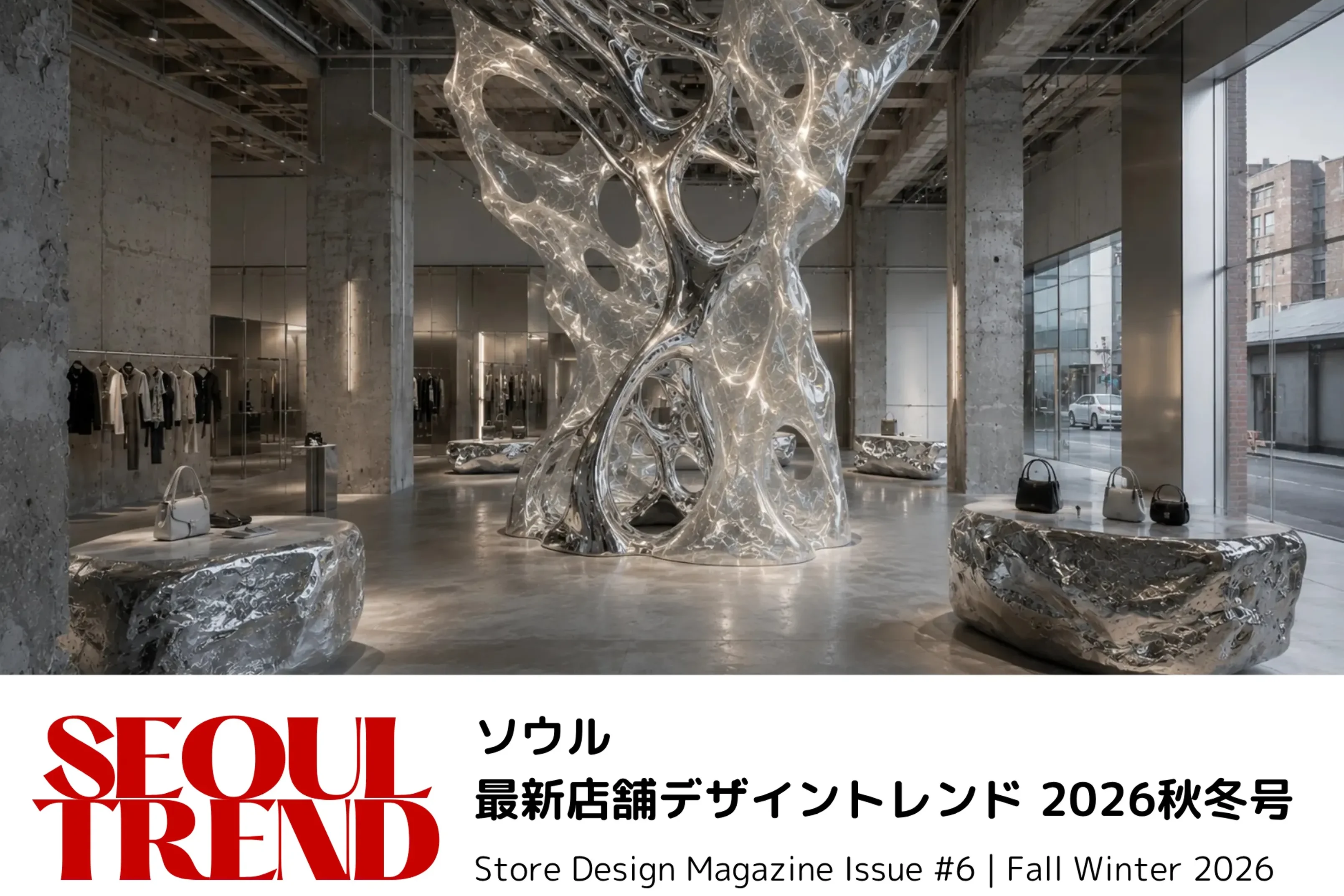
The world view, the tone of customer service, the atmosphere of the space, and the texture and layout of the fixtures used to display products. If each is designed in isolation, customers will feel a sense of incongruity. Translating the sense of "brand identity" into high-resolution, "visible experiences" such as real store interiors and fixture designs is the solid foundation for customer experiences that bridge the digital and physical realms.
- Don't Make Technology the Protagonist of the Experience
AI and digital productions are elements that easily attract attention. However, if the purpose of introducing technology itself becomes the goal, it can drift away from the essence of the brand experience.
What is important is to think about what visitors want to know, what anxieties they want to resolve, and how they want to feel when engaging with products and the brand.
Signage, data utilization, AI-driven proposals, and integration with Web and apps are merely means to support that experience. A perspective is required that designs these as natural supports for brand-like touchpoints rather than putting technology at the forefront.
- Delivering the Same Worldview Across Physical and Digital
Customers do not differentiate between the places where they encounter a brand.
The impression seen on social media, information obtained on a website, the atmosphere felt in a store, conversations with staff, and messages seen on signage. Only when these are connected are they remembered as a single brand experience.
In the AI era, customer touchpoints will further increase and experiences will become more finely dispersed. That is precisely why it is important to design across both physical and digital so that the same brand identity can be felt at every touchpoint.
Creating Brand Experiences Together
Ralph Lauren's case study shows that even in the customer experience of the AI era, the brand's philosophy must come before technology.
AI and digital technology are effective means for delivering brand experiences more broadly and more finely. However, if the brand identity at the foundation remains ambiguous, the experience delivered to customers will also become ambiguous.
BEEATS will shape the latest retail trends obtained from this observation to fit the context of the Japanese market and support the creation of new brand experience spaces.
If you have any challenges in next-generation store development—such as wanting to incorporate your brand's worldview into a store space, wanting to design customer experiences that link physical and digital, or wanting to convey brand identity using signage or digital measures—please feel free to consult us.
NRF2026 Report Now Available: "The Dawn of Agent Commerce"
We have released a digest report of "NRF 2026." Please download and use this 29-page report, which includes detailed explanations of the main sessions and solution analyses of 12 featured companies.※ Materials are available in Japanese only.
About this Joint Overseas Report Editorial Project
The original report forming the basis of this series is a joint editorial project between BEEATS CO., LTD. and World Mode Holdings Co., Ltd.
Detailed reports covering the event in New York by our President and CEO Mitsuhiro Kashiwagi and Executive Officer Kanta Nishimura are being published sequentially on the fashion business media "Oui Speak Fashion® Japan." Along with this insight, please be sure to read the main report, which is packed with both companies' perspectives.
Original Article
Part 9: Ralph Lauren and Microsoft Discuss the AI Revolution — The Future of Luxury Experience where Tradition and Innovation Merge
For more details on this joint editorial project, please see the following page.
Oui Speak Fashion® Japanhttps://ouispeakfashion.com/jp/
Share this interview/discussion/consideration