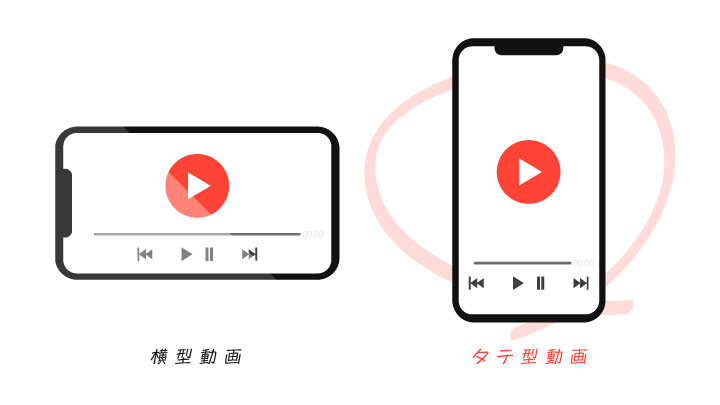
Vertical video is, as the name suggests, video shot in a vertical orientation. It can be filmed and viewed while holding a smartphone vertically, making it a very intuitive format for users. Platforms that utilize vertical video include the following.
◆◆◆
Instagram Reels
Instagram Reels is a feature that allows you to create and share short videos of up to 60 seconds. They can be easily viewed within the Instagram feed, and there is a wealth of filters, music, and effects to enhance engagement.
<Features> ◇ Interactivity Direct communication with viewers is possible through stories and direct messages.
◇ Preferential treatment by algorithms Reels have a high potential for reaching a wide audience, even for new accounts.
◇ Shopping function Link with Instagram Shopping to purchase products introduced in the video directly.
◆◆◆
TikTok
TikTok is a platform centered on short-form videos ranging from 15 seconds to 3 minutes. It is particularly popular with Gen Z, and trends, challenges, and memes are born daily.
<Features> ◇Virality High potential for content to spread instantly through hashtag challenges and duet features.
◇ Creative Tools Abundant editing tools such as filters, effects, and music allow anyone to easily create professional videos.
◇ Strength of community TikTok has active communities sharing specific interests and hobbies, making it easy to reach niche targets.
◆◆◆
YouTube Shorts
YouTube Shorts is a feature that allows you to create and share vertical videos up to 60 seconds long. By leveraging YouTube's vast user base, you can reach a wide range of people.
<Features> ◇Integration with search functions Since YouTube Shorts appear in search results just like regular YouTube videos, you can reach more viewers.
◇ Possibility of monetization By using the YouTube Partner Program, you can also earn revenue from short videos.
◇ Possibility of monetization By using the YouTube Partner Program, you can also earn revenue from short videos.
These platforms are particularly popular with the younger generation, and vertical videos have become mainstream.
The rise of the smartphone-native generation
The trend toward vertical video is backed by the recent increase in the number of smartphone users. With the widespread adoption of smartphones, our lives have changed significantly.
In particular, young people called Generation Z have grown up as "smartphone natives" and use smartphones as their main information source. According to the 2023 Survey on Communications Usage Trends by the Ministry of Internal Affairs and Communications, the number of smartphone users significantly exceeds the number of PC users, and the gap is widening year by year.
This trend is closely related to the rise of vertical video.
The appeal of vertical video?
Compared to conventional horizontal video, vertical video has the following advantages.
Benefit 1.
High immersion
Because it is optimized for viewing on smartphones, you can deliver content to viewers from a physically close distance. Since the video is displayed across the entire screen, it is easier for viewers to concentrate compared to horizontal video, and it is easier for them to immerse themselves more deeply in the content.
Also, because it can be viewed just by holding the smartphone vertically, there is no need to tilt it as you would when watching horizontal videos, which is characterized by less stress for the user.
Benefit 2.
Short-term appeal
Vertical video is based on short viewing times, so it is necessary to capture the viewer's interest instantly. Therefore, creative ingenuity is required to make a strong impact.
Regarding why short-term appeal is important, there is a background where Generation Z highly values "taipa (time performance)." "Taipa" is an index that evaluates how efficiently you can obtain information and entertainment within a limited time. Because Generation Z has grown up with the internet since birth and lives surrounded by a wealth of information, they tend to seek high-quality content in a short time. This tendency greatly influences the popularity of vertical video.
On platforms such as Instagram Reels, TikTok, and YouTube Shorts, short videos of 15 to 60 seconds are mainstream, and viewers can obtain a lot of information in a short time. Also, the format where you can watch new videos one after another while scrolling is perfect for the speedy information intake that Generation Z seeks.
Vertical video, which is based on short clips, can be said to be an ideal content format for Generation Z, who value "taipa."
Benefit 3.
Preferential treatment by algorithms
Platforms like Instagram Reels and TikTok adopt algorithms that prioritize the display of vertical videos. This allows even new accounts or users with little video creation experience to reach a wide audience.
Videos that pique interest are reached by many viewers one after another, so they can be viewed in a short time, have a high video completion rate, and lead to improved engagement.
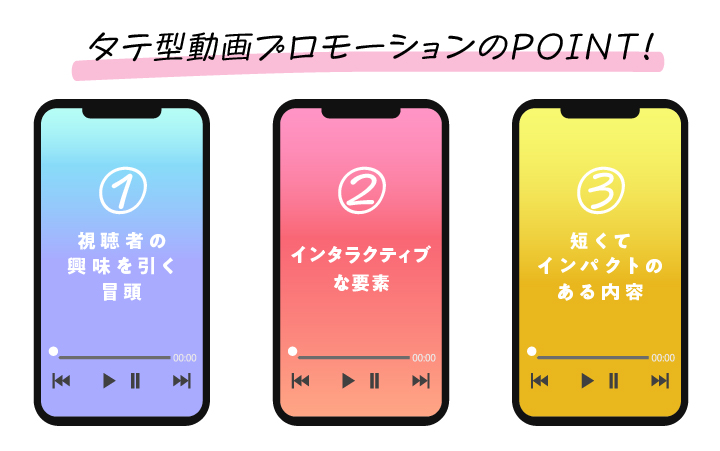
Points for vertical video promotion
Point 1
Capturing the viewer's interest at the start
It is important to capture the viewer's interest in the first few seconds of the video.
Point 2
Interactive elements
By incorporating viewer-participatory content such as comments and polls, you can increase engagement.
Point 3
Short and impactful content
Since vertical videos require conveying a message in a short time, ingenuity in content composition is required.
Learning vertical video utilization from success stories
We will introduce success stories of promotions utilizing vertical video. We have picked up 3 cases that the Retail Voice editorial team paid particular attention to.
Success Story ①
Domino's Pizza's "Sizzle Marketing"
Domino's Pizza uses vertical video to stimulate the viewer's appetite with skillful visual production. In particular, they effectively use footage of cheese stretching and cooking sounds to provide a sense of presence to viewers. In 2023, a pizza topped with 600g of pickles became a hot topic on SNS and sold out faster than expected.
Such success can be said to be the result of maximizing the immersion of vertical video and the influence of SNS.
Success Story ②
Sofy's "Community Building"
Physiological product brand Sofy aims to form a community where people can easily interact even about sensitive topics that are difficult to discuss with familiar people using vertical video. By utilizing TikTok and providing an environment where people can anonymously post questions and worries about menstruation, they have created a community where many people can participate with peace of mind.
This initiative has been highly evaluated, such as winning the "TikTok for Business Japan Award" in 2024.
Success Story ②
Calbee's "Short Drama"
A long-selling brand "Jagariko" sold by snack manufacturer Calbee. Recently, it has become standard to hand out affordable sweets to convey gratitude and celebration, and "Jagariko" is very popular as a casual gift among students. Calling the act of "giving" such "Jagariko" to others "Ageriko," they distributed vertical videos in a short drama format called "Ageriko Gakuen" on the official Calbee TikTok. By incorporating "common" situations at school, it drew empathy from the younger generation.
As a result, it succeeded in effectively communicating the brand message, such as the experience rate of Ageriko increasing by 5% annually.
On using horizontal videos vs. vertical videos
While vertical video is rapidly gaining popularity, horizontal video still plays an important role. In marketing strategy, proper use of both is the key to success.
<Features and Benefits of Horizontal Video>
◇ Extensive visual experience Horizontal video is a format commonly used in movies, television, YouTube, etc. It can provide a wide visual range, effectively describing detailed scenes and sprawling landscapes.
◇ High-quality production By utilizing professional shooting equipment and techniques, it is easy to create high-quality video works. It is suitable for content that values quality, such as movie trailers and corporate brand movies.
◇ Suitable for long-term content Horizontal video is suitable for long-term viewing and is directed towards content that delves deep, such as storytelling, detailed presentations, and documentaries.
Horizontal and vertical videos each have different characteristics and strengths. Use horizontal video when emphasizing long, detailed explanations or professional images, and use vertical video when you want to make an impact in a short time or are targeting smartphone users. Choosing according to the purpose of the content and the viewing situation is an important point.
Summary: Vertical video is an important marketing tool!
Along with the rise of the smartphone-native generation, vertical video is becoming an increasingly important marketing tool.
As shown by the success stories of Domino's Pizza, Sofy, and Calbee, creative approaches that leverage the characteristics of vertical video are the key to effectively delivering a brand's message. It is expected that the use of vertical videos will continue to expand and evolve as a new marketing method.
In this way, by effectively utilizing vertical videos, it is possible to attract younger viewers and improve brand awareness and engagement.
If you haven't utilized vertical video yet, why not incorporate this trend and apply it to your next project?
Consult BEEATS for your promotions!
BEEATS has a proven track record in video content production. We propose better content production by choosing between vertical and horizontal videos according to your target and project, so please feel free to consult us!
A1. Vertical video is a format of video that allows shooting and viewing while holding a smartphone vertically. It provides an intuitive viewing experience for smartphone users and is particularly supported by the younger generation on platforms such as Instagram Reels, TikTok, and YouTube Shorts.
Q2. What are the benefits of utilizing vertical video for promotion?
A2. There are three main benefits. The first is the high level of immersion from being displayed across the entire smartphone screen; the second is the strong appeal to Generation Z, who value "taipa" (time performance), in a short period of time; and the third is that it is easy to reach a wide range of new users through priority display by algorithms.
Q3. What are the points for success in promotion using vertical video?
A3. There are three keys to success: (1) capturing the viewer's interest in the first few seconds, (2) increasing engagement with participatory elements like comments and surveys, and (3) creating an impactful structure that conveys your message in a short time.
Q4. How should vertical and horizontal videos be used differently?
A4. Proper use according to the purpose and viewing situation is important. "Vertical video" is suitable when you want to make an impact in a short time or target smartphone users, and "horizontal video" is suitable when you emphasize long detailed explanations, storytelling, or professional images.